

Our Verdict
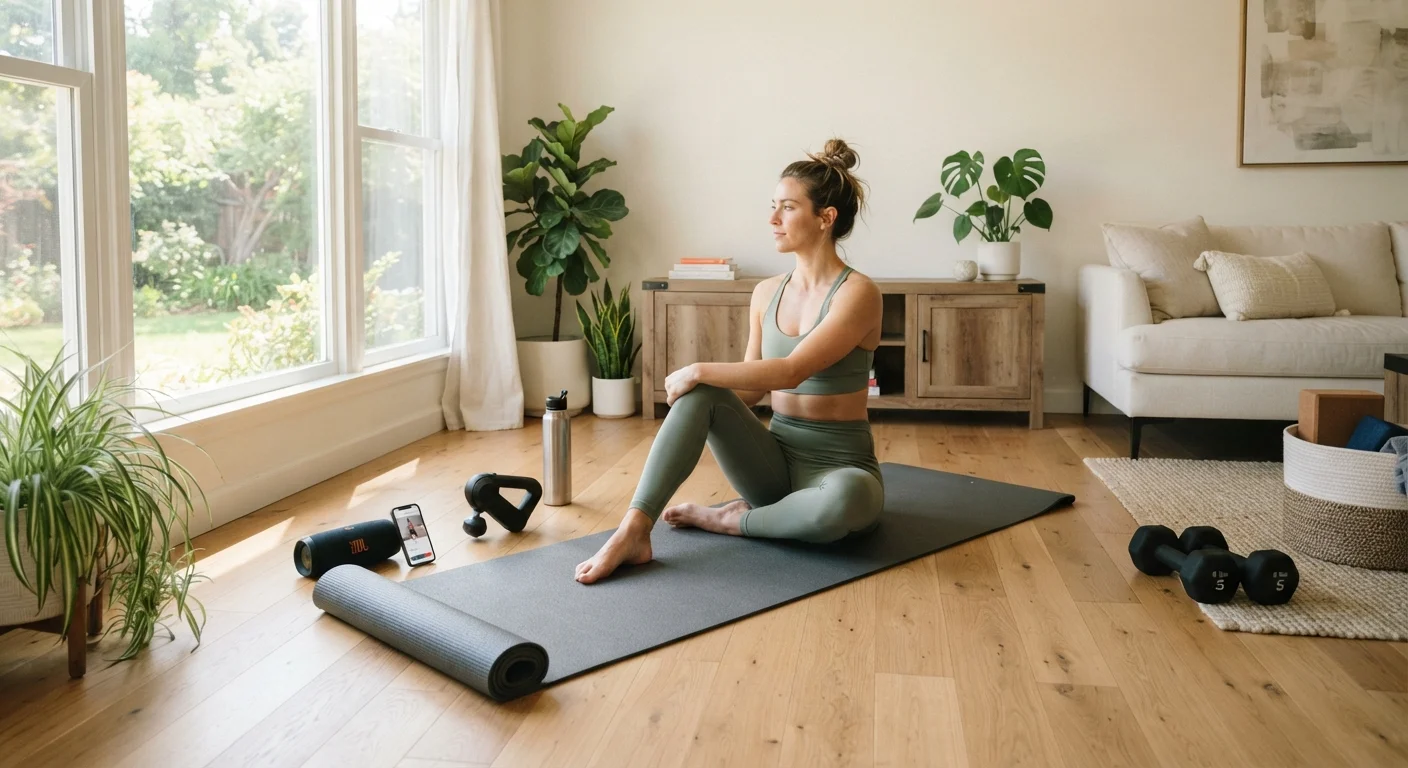
Home workouts are a genuinely effective option for building and maintaining fitness, provided you can self-motivate and work within equipment limits. They're not a universal replacement for the gym, but for many people they're a practical, sustainable foundation. The key is honest self-assessment: knowing what you'll actually do consistently beats what looks good on paper.
Best for busy adults, people new to exercise, anyone on a tight budget, or those who prefer privacy and flexibility over structured gym environments.
What Home Workouts Actually Deliver
Home exercise has moved well beyond jumping jacks in the living room. Bodyweight training, resistance bands, adjustable dumbbells, and guided video programs now make it possible to build cardiovascular fitness, muscular strength, and flexibility without ever setting foot in a gym. That said, understanding what home workouts genuinely do well — and where they have real ceilings — helps you plan a routine that sticks.
No commute saves significant time each week
Eliminating travel to and from a gym can recover 30–60 minutes per session — time that often makes the difference between exercising and skipping it.
Lower ongoing cost than most gym memberships
Once basic equipment is purchased, ongoing costs are minimal. A set of resistance bands or a pair of adjustable dumbbells can support years of training.
Complete schedule flexibility
You can train at 5 a.m., during a lunch break, or after the kids are in bed — without being bound to gym hours or class schedules.
Private environment reduces self-consciousness
Many people, especially beginners, feel more comfortable learning movement patterns and making mistakes without others watching.
Easier to build into daily routines
A workout space that's always accessible lowers the activation energy needed to start, which research on habit formation suggests improves long-term adherence.
The convenience factor is hard to overstate. Removing the commute, locker room, and waiting-for-equipment friction means many people who struggled to exercise regularly find they actually follow through at home. If you're curious about how to time your sessions for maximum benefit, our piece on morning vs. evening workouts explores what the research shows.
The Real Drawbacks Worth Knowing
No fitness setup is without compromise. Home workouts come with genuine limitations that go beyond simply missing the gym's cable machine.
Motivation and accountability are self-managed
Without a trainer, class schedule, or workout partner, staying consistent relies entirely on internal drive — which fluctuates for most people.
Equipment limits training variety and load
Progressive overload — gradually increasing resistance to build strength — is harder to achieve at home without investing in a range of weights or attachments.
Distractions and competing priorities are always present
Family members, household chores, and devices all compete for attention in a way they don't in a dedicated fitness facility.
No access to professional guidance on form
Poor technique, particularly in strength movements, increases injury risk over time. Video programs help, but they can't give real-time correction.
Limited social and community element
For people who draw energy and motivation from group exercise or gym culture, working out alone can feel isolating and less enjoyable.
The accountability gap is probably the biggest practical hurdle. At a gym, social norms and sunk-cost psychology push most people to actually exercise once they've arrived. At home, the couch is always 10 feet away. It's worth separating this from fitness myths that suggest you need a gym to get real results — our breakdown of persistent fitness myths addresses that directly.
Equipment Doesn't Have to Be All-or-Nothing
You don't need a fully outfitted home gym to train effectively at home. Bodyweight exercises — push-ups, squats, lunges, planks — can build meaningful strength and cardiovascular fitness with zero equipment. Adding a few resistance bands or a single set of dumbbells significantly expands your options without major cost or space requirements. Start minimal and add only what you'll realistically use.
Who Gets the Most Out of Training at Home
Home workouts aren't equally suited to everyone, and being honest about that saves wasted effort. The following groups tend to benefit most:
- Busy parents or professionals who can slot in a 20-minute session before work rather than losing an hour to travel.
- Beginners rebuilding fitness who find the gym environment intimidating and want to develop basic movement patterns privately.
- People managing mild joint issues or low fitness levels who benefit from a controlled environment where they can pause, rest, and move at their own pace.
- Budget-conscious exercisers who can't sustain a gym membership long-term.
Those chasing specific performance goals — competitive strength training, elite endurance, or sport-specific conditioning — will generally hit a ceiling at home without significant equipment investment. For them, a hybrid model often makes more sense. Building movement into your daily routine tends to make consistency easier regardless of where you train.
~30 min
Average round-trip gym commute saved per session
Industry surveys consistently find that travel time is among the top reasons adults cite for skipping gym sessions.
73%
Adults who cite convenience as key to exercise consistency
According to physical activity research, perceived convenience is one of the strongest predictors of whether adults sustain an exercise habit.
If you're also rethinking other time-saving habits, it's worth noting that many of the same discipline challenges apply — our look at meal planning trade-offs covers a similar theme of convenience versus consistency.
This article is for general informational purposes only and is not a substitute for advice from a qualified health or fitness professional. Consult a healthcare provider before starting any new exercise program, especially if you have existing health conditions.
The content on this site is for informational purposes only and is not a substitute for professional advice. Always consult a qualified professional for guidance specific to your situation.