

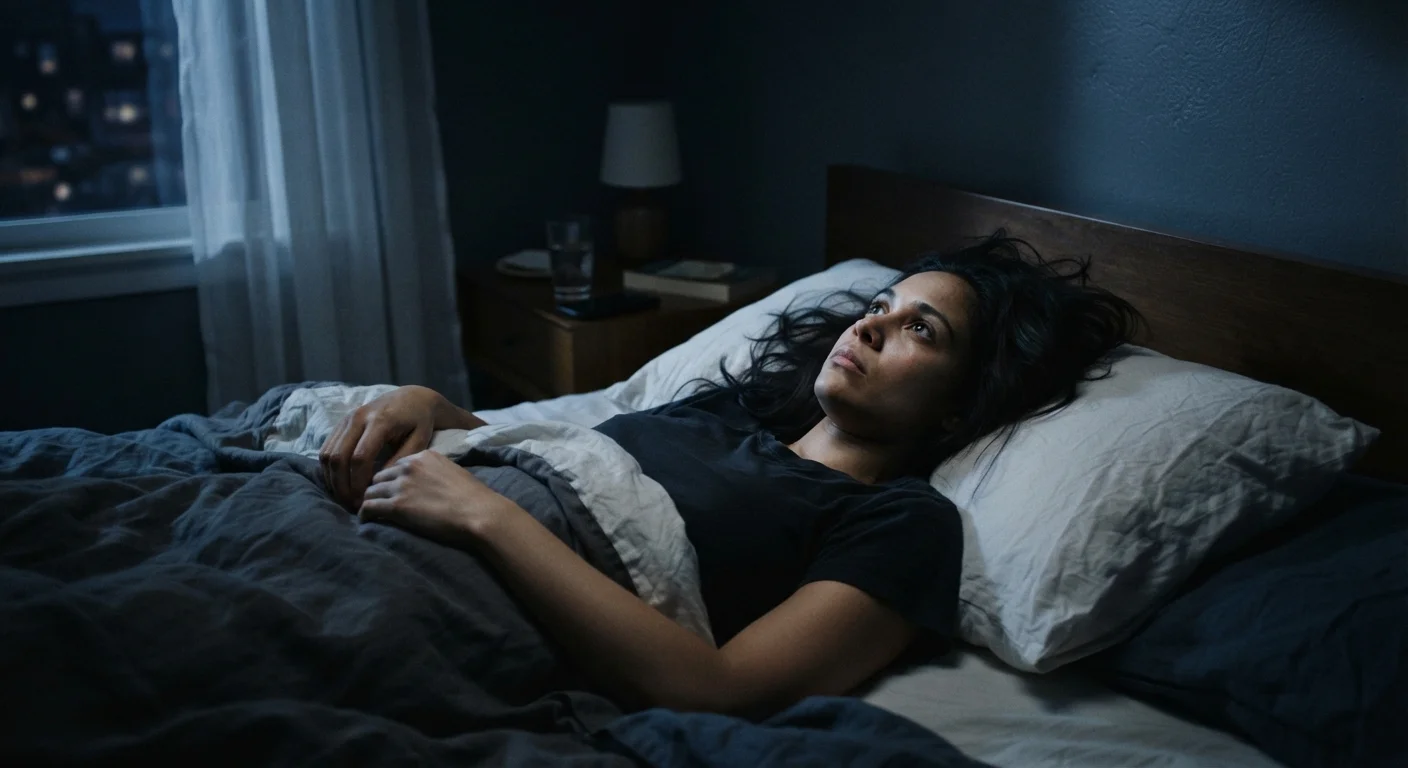
Why Sleep and Emotions Are Inseparable
Most people understand that a bad night's sleep leaves them grumpy. What's less well known is just how profoundly — and biologically — sleep shapes emotional experience, and vice versa. This isn't a vague lifestyle observation; it's one of the more well-supported findings in sleep and brain research.
During sleep, particularly during REM (rapid eye movement) stages, the brain actively processes emotional memories and experiences. Think of it as overnight emotional file-sorting. When that process is cut short or fragmented, unresolved emotional content carries over into the next day in a more raw, reactive state. At the same time, stress hormones like cortisol that accompany emotional distress can interfere directly with sleep architecture — disrupting the depth and continuity of sleep cycles.
This is what makes the relationship a two-way street rather than a one-directional problem. It's not enough to ask "is my bad mood causing poor sleep?" — the honest answer is usually both directions are in play simultaneously.
“Sleep is not just a passive state of rest. It is an active, necessary process for emotional memory consolidation and the regulation of mood — disrupting it doesn't just leave you tired, it leaves you emotionally unguarded.”
— Matthew Walker, Neuroscientist and sleep researcher, author of 'Why We Sleep'
What Happens to Your Brain When You're Sleep-Deprived
The emotional consequences of sleep deprivation are rooted in specific brain activity shifts. The amygdala — the region that flags emotional threats and triggers reactive responses — becomes significantly more active under sleep deprivation. Meanwhile, its regulatory counterpart, the prefrontal cortex, pulls back. The practical result: more emotional reactivity, less ability to reason through it.
Studies using brain imaging have found that sleep-deprived individuals show roughly 60% greater amygdala reactivity to negative stimuli compared to those who slept normally. This isn't just about feeling a little more irritable; it can mean that mildly frustrating situations feel genuinely overwhelming, that small social tensions feel threatening, and that the ability to self-soothe takes noticeably longer to kick in.
~60%
Greater amygdala reactivity when sleep-deprived
Brain imaging research has found that sleep-deprived individuals show substantially amplified emotional responses to negative stimuli compared to well-rested counterparts.
1 in 3
U.S. adults not getting sufficient sleep
The CDC has reported that approximately one-third of American adults regularly sleep less than the recommended seven hours per night.
2–3x
Higher depression risk with chronic insomnia
Longitudinal research suggests people with chronic insomnia face meaningfully elevated risk of developing depression compared to those who sleep well, underscoring the bidirectional relationship.
For people who already struggle with anxiety or depression, this amplification effect can make existing symptoms feel significantly worse — which in turn makes sleep more elusive, tightening the cycle further. Understanding this mechanism matters because it removes the pressure to simply "feel better" through willpower and redirects attention to the concrete behavioral and environmental factors that can actually shift the dynamic.
Emotional Patterns That Disrupt Sleep
The traffic runs both ways. Just as sleep deprivation strains emotional health, emotional patterns actively undermine sleep quality. The most common culprits include:
- Rumination: Replaying worries, conversations, or regrets in a mental loop is among the leading causes of sleep-onset insomnia. The mind's attempts to "solve" distressing problems at bedtime trigger arousal rather than drowsiness.
- Anticipatory anxiety: Dread about the next day — a difficult meeting, a health appointment, a financial concern — activates the nervous system's alert state precisely when the body needs to wind down.
- Hyperarousal: Chronic stress keeps baseline cortisol elevated, which compresses the window of time when sleep pressure can actually overcome wakefulness.
Recognizing which emotional pattern is most active for you isn't just self-reflection — it points directly toward which strategies are most likely to help. For example, if financial worry is keeping you up, understanding how that stress spills into physical and sleep-related symptoms (see how financial anxiety affects more than your bank account) can help you recognize what you're dealing with and seek appropriate support.
Practical Ways to Interrupt the Cycle
The good news is that the bidirectional nature of this relationship means change can be introduced from either end. You don't need to resolve all emotional distress before sleep improves, nor does sleep have to be perfect before mood lifts — small, consistent changes in one area often produce measurable improvements in the other.
On the sleep side, behavioral approaches focus on reinforcing the brain's association between bed and sleep: keeping consistent wake times (even after a bad night), reducing stimulating light and noise in the hour before bed, and creating a wind-down transition that signals the nervous system to shift gears. For a practical walkthrough, the guide to structuring your evening for better sleep outlines specific ways to design that transition period.
On the emotional side, simple habits that support regulation throughout the day — not just at bedtime — reduce the emotional load that compounds at night. The everyday emotional regulation habits that research consistently supports include brief mindfulness practices, physical movement, and deliberate social connection — none of which require professional involvement to start.
Start With Consistent Wake Times
If you're trying to reset both sleep and mood, the single most evidence-supported starting point is a consistent wake time — even on weekends, even after a rough night. This anchors the body's internal clock and begins to rebuild sleep pressure more reliably. You don't need a perfect bedtime; a stable wake time is the more powerful lever.
This article provides general health information for educational purposes only. It is not a substitute for professional medical advice, diagnosis, or treatment. If you are experiencing persistent sleep problems or significant mood difficulties, please consult a qualified healthcare provider.
Frequently Asked Questions
Research consistently shows that sleep deprivation can generate mood problems on its own — not just amplify existing ones. Even one or two nights of reduced sleep can increase irritability, anxiety, and emotional reactivity in otherwise healthy adults. Over time, chronic poor sleep is associated with a meaningfully higher risk of mood disorders.
Many people notice mood improvements within a few days of consistently better sleep. However, if the underlying emotional distress is significant — such as clinical anxiety or depression — sleep improvements alone may not be sufficient. A healthcare professional can help determine what combination of approaches is appropriate.
Yes. Anxiety activates the body's stress response, raising alertness and making it physiologically difficult to fall or stay asleep even when exhaustion is evident. This is sometimes called "tired but wired" and is one of the hallmark signs that emotional factors are disrupting sleep onset.
Short naps of 10–20 minutes can provide a modest mood and alertness boost, but they don't fully replace the emotional processing that happens during a full night of sleep — particularly REM sleep. Longer or late-day naps can also interfere with nighttime sleep, potentially deepening the cycle.
If sleep problems or mood difficulties have lasted more than two to three weeks, are significantly affecting your daily functioning, or feel unmanageable despite self-care efforts, it's time to speak with a healthcare professional. These symptoms can be signs of treatable conditions that respond well to appropriate support.
The content on this site is for informational purposes only and is not a substitute for professional advice. Always consult a qualified professional for guidance specific to your situation.