

Why Smoke and CO Detector Myths Are a Real Safety Risk
Smoke and carbon monoxide (CO) detectors are among the most straightforward safety devices in any home — yet they're also among the most neglected. Most homeowners believe their detectors are working simply because they haven't heard a chirp or seen a warning light. That passive assumption is exactly where things go wrong.
Poor maintenance habits aren't just inconvenient; they can leave a household unprotected during the moments that matter most. The good news is that correcting these habits takes very little time. The myths below are the ones fire safety guidance addresses most often — and clearing them up is the first step toward a genuinely safer home. For a broader look at upkeep tasks that are routinely misunderstood, see common home maintenance misconceptions.
Myth
If my detector hasn't gone off recently, it's working fine.
Fact
Detectors can fail silently — sensors degrade over time even when no alarm is triggered.
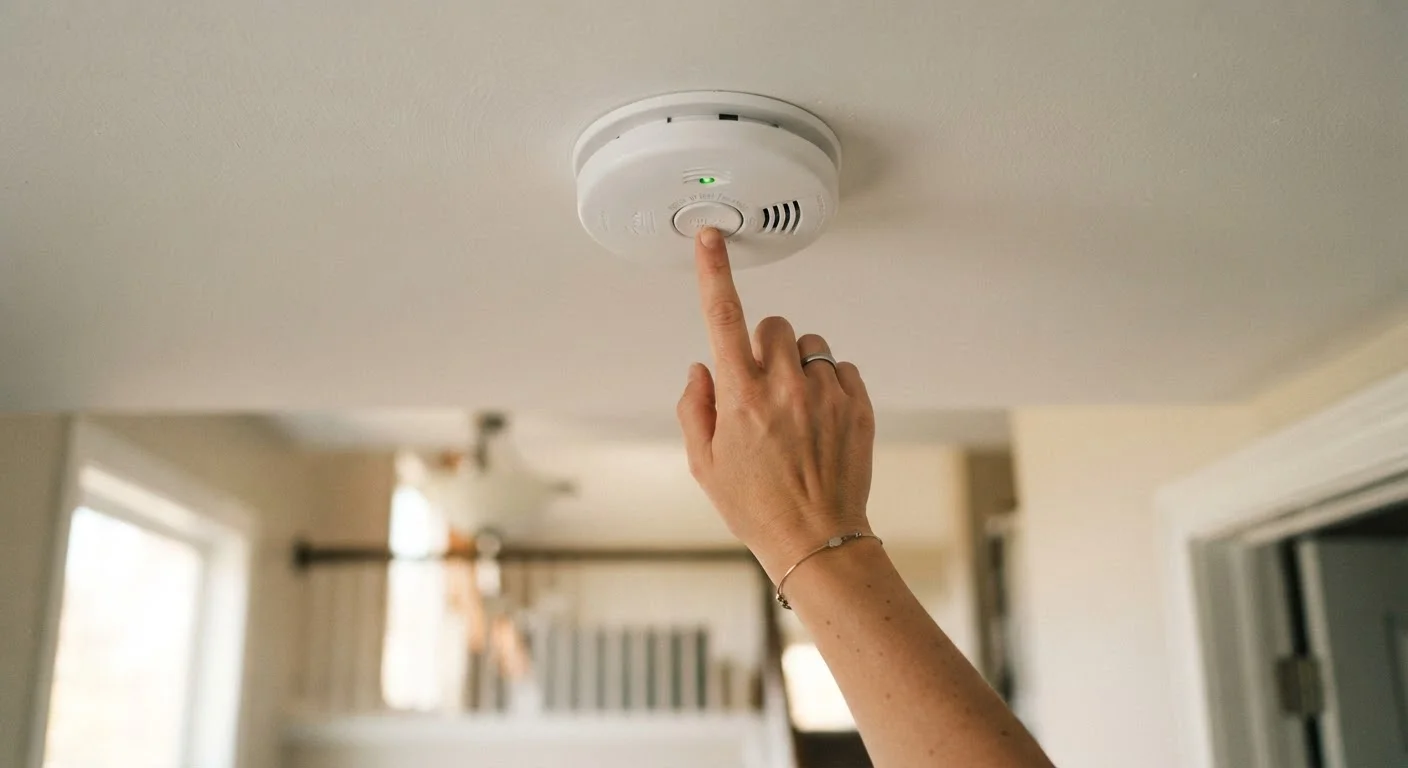
Smoke detector sensors — particularly ionization-type sensors — gradually lose sensitivity as dust accumulates and internal components age. A detector that hasn't alarmed recently may simply not have encountered smoke, not a functional confirmation. The only way to verify operation is to press the test button monthly. If the alarm doesn't sound loudly and clearly, the unit needs attention regardless of how new it looks.
Myth
Smoke and CO detectors last as long as they're mounted on the wall.
Fact
Smoke detectors should be replaced every 10 years; most CO detectors every 5–7 years.
Every detector has a rated service life printed on its label or back panel. After that window, the internal sensors are no longer considered reliable even if the test button still produces a sound. The National Fire Protection Association (NFPA) and most manufacturers publish these replacement timelines. A detector purchased when you moved in may already be past its useful life — check the manufacture date, not the purchase date, which is stamped on the unit.
Myth
One detector per floor is enough to protect my whole home.
Fact
Fire safety guidelines call for detectors inside every sleeping room, outside sleeping areas, and on every level including basements.
A single hallway detector can fail to alert a sleeping occupant before smoke concentrations become dangerous. Current guidance from the NFPA recommends a detector inside each bedroom, one outside each sleeping area, and coverage on every floor. CO detectors follow similar placement logic. Interconnected alarms — where triggering one sounds all of them — offer meaningful additional warning time, particularly in larger homes.
Myth
Pulling out the battery stops false alarms without causing any real harm.
Fact
Removing batteries disables the detector entirely, leaving the home unprotected.
Nuisance alarms from cooking or steam are frustrating, but the correct response is to address the placement or ventilation issue — not to remove the power source. A detector with its battery missing cannot alert anyone. If false trips are frequent, relocate the unit away from the kitchen or bathroom, improve ventilation, or consider a detector type (such as photoelectric) that is less prone to steam sensitivity in those areas.
Myth
Carbon monoxide detectors and smoke detectors do the same job.
Fact
These are entirely different sensors detecting entirely different hazards — combination units aside.
Smoke detectors sense combustion particles in the air. CO detectors measure the concentration of carbon monoxide gas, which is colorless, odorless, and produced by malfunctioning fuel-burning appliances. Neither sensor type can reliably detect what the other is designed for. While combination smoke/CO units do exist, homeowners should confirm any combination unit meets both standards (UL 217 for smoke, UL 2034 for CO in the United States) and still follow the separate replacement timelines for each function.
Myth
Annual battery replacement during daylight saving time is all the maintenance needed.
Fact
Monthly testing is the recommended minimum — batteries alone don't confirm sensor function.
The daylight saving time reminder is a useful memory hook for annual battery swaps, but it doesn't replace monthly testing. A fresh battery powers the alarm circuit, but a sensor clogged with dust or past its service life won't respond accurately to actual smoke. Testing monthly confirms both the electronics and the alert function are working together. Think of it the way mechanics think about car maintenance: skipping small checks leads to the kind of failures that matter most at the worst time — a point well illustrated by widely repeated maintenance myths that cost money.
Building a Reliable Detector Maintenance Routine
Knowing the facts is only half the battle — consistency is what keeps your home protected year-round. Fire safety organizations generally recommend testing every detector in your home once a month using the built-in test button. It takes about two minutes for an entire house and immediately tells you whether the alarm is audible and the electronics are responding.
Never Disable a Detector to Silence Nuisance Alarms
Removing batteries or covering a detector to stop false trips leaves your household completely unprotected. If a specific detector triggers frequently from cooking fumes or bathroom steam, address the root cause: move the unit to a better location, improve kitchen or bathroom ventilation, or choose a detector type better suited to that environment. Disabling the alarm is never the right solution.
Battery replacement should happen at least once a year for standard alkaline batteries, or whenever a low-battery chirp begins. Detectors with sealed 10-year batteries still need to be replaced when the unit reaches the end of its rated lifespan — the battery and the sensor age together. Keep a simple log — a sticky note inside a kitchen cabinet works fine — recording each detector's installation date so you know when replacements are due.
Placement review is another often-skipped step. If a bedroom detector is within a few feet of a bathroom door, steam from showers may trigger false alarms and tempt residents to disable the unit. Relocating it even 18 inches can solve the problem without compromising coverage. This kind of small adjustment is exactly the sort of habit explored in the first-year homeowner maintenance guide.
Finally, tie detector checks into seasonal tasks you already do — daylight saving time changes are a widely recommended reminder for battery swaps. The same mindset applies to other home systems: just as overlooking small car issues leads to costly repairs, ignoring detector upkeep quietly erodes the safety net your home depends on. Building these checks into a consistent daily and seasonal routine is the surest way to make them stick.
The content on this site is for informational purposes only and is not a substitute for professional advice. Always consult a qualified professional for guidance specific to your situation.