

Know Your Shutoff Valves Before You Need Them
The single most useful piece of plumbing knowledge a homeowner can have is the location of every shutoff valve in the home — starting with the main shutoff. When a pipe bursts or a supply line fails, turning off water immediately limits damage dramatically. Find your main shutoff now, while there is no emergency, and make sure every adult in the household knows where it is and how to operate it.
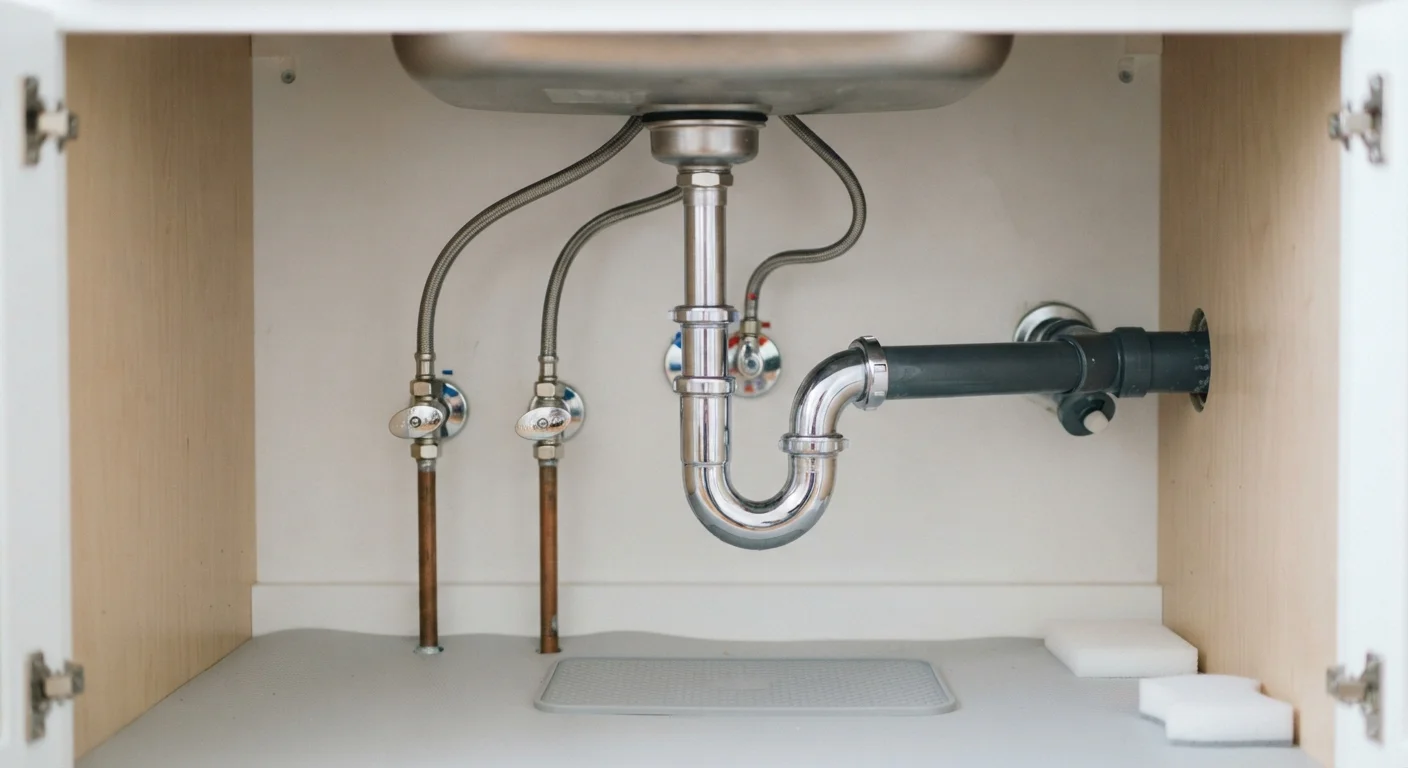
Beyond the main valve, each fixture typically has its own fixture-level shutoff: a small valve on the supply line beneath each sink and behind each toilet. Test these valves annually by turning them off and on. Valves that sit unused for years can seize or crack when you finally need them.
| Main shutoff valve location | Near the water meter, basement, crawl space, or utility room |
| Toilet tank flapper lifespan | Approximately 4–5 years under normal use (General plumbing industry guidance) |
| Common cause of running toilets | Worn or misaligned flapper valve |
| Water pressure normal range | 40–80 PSI for most residential plumbing (General plumbing industry standards) |
| Items that should never be flushed | Wipes (even "flushable"), paper towels, cotton balls, medications |
| Leak detection method | Check water meter before and after a 2-hour period of no use (Common homeowner leak-detection technique) |
If you're building out a broader maintenance routine, the first-year homeowner's guide covers all major home systems in a structured way that makes this kind of preventive knowledge stick.
How to Spot a Slow Leak Early
Slow leaks rarely announce themselves. Instead, they show up as a higher-than-usual water bill, a faint musty smell, or a soft spot in drywall. Catching them early prevents mold growth and structural damage — problems far more expensive than the original leak.
10,000+
Gallons lost per year from household leaks
The U.S. Environmental Protection Agency estimates that the average American home loses this amount annually through fixable leaks like dripping faucets and running toilets.
10%
Homes with leaks wasting 90+ gallons daily
According to EPA WaterSense data, about one in ten homes has a leak severe enough to waste more than 90 gallons of water every day.
The simplest detection method: note your water meter reading, avoid using any water for two hours, then check the meter again. If the reading has changed, water is moving somewhere it should not be. Common culprits include worn faucet washers, supply line connections, and toilet flappers.
Toilets deserve particular attention. Add a few drops of food coloring to the tank and wait 15 minutes without flushing. If color appears in the bowl, the flapper is leaking. Flappers are inexpensive and straightforward to replace — it is one of the few plumbing tasks most homeowners can handle comfortably.
Wet areas like showers and tubs can also hide water intrusion behind grout and caulk. The guide to grout, caulk, and tile explains what to look for and when to act.
Main Shutoff Valve
A valve, typically located where the water supply line enters the home, that stops all water flow to the entire house when closed. Knowing its location is essential before any plumbing emergency occurs.
P-Trap
The curved pipe section beneath a sink drain that holds a small amount of water, creating a seal that blocks sewer gases from entering the home. It is also the most common place for small objects to get caught.
Supply Line
The flexible or rigid pipe that carries pressurized water from a shutoff valve to a fixture such as a faucet, toilet, or appliance. Aging supply lines are a frequent source of slow leaks.
Water Meter
A utility-installed device that measures total household water consumption. It can be used to detect hidden leaks by checking whether usage continues when all fixtures are off.
Pressure Relief Valve (PRV)
A safety valve on water heaters and plumbing systems that releases pressure if it builds beyond a safe threshold. It should be inspected periodically by a qualified technician.
Flapper
A rubber seal inside a toilet tank that controls water flow into the bowl. A worn or warped flapper is one of the most common causes of a constantly running toilet.
What Not to Flush or Pour Down the Drain
One of the most preventable plumbing problems is a blocked drain caused by materials that should never enter the system in the first place. "Flushable" wipes are among the most common culprits — despite the label, they do not break down the way toilet paper does and are a leading cause of sewer blockages in residential systems.
The toilet is designed for human waste and toilet paper only. Paper towels, cotton pads, medications, cooking grease, and hair all create problems downstream — either in your home's pipes or in municipal sewer infrastructure.
For kitchen drains, the main rules are simple: no grease or oils poured liquid (they solidify in pipes), no fibrous vegetable scraps in the garbage disposal, and no coffee grounds. These materials accumulate gradually and are often the reason slow drains seem to appear out of nowhere.
When to Call a Licensed Plumber
Tasks involving the main water line, sewer connections, gas-adjacent pipes, or any work behind walls typically require a licensed plumber and may need a local permit. This article covers observation and basic maintenance only. If you are unsure about the scope of a repair, contact a qualified professional before proceeding.
For a broader look at how small oversights in home maintenance compound over time, the article on frequently misunderstood home maintenance tasks puts these habits in useful context.
This article is for general informational purposes only. Plumbing work that involves structural, gas, or municipal connections should be performed by a licensed professional. Always verify local permit and code requirements before undertaking any repair beyond basic fixture maintenance.
The content on this site is for informational purposes only and is not a substitute for professional advice. Always consult a qualified professional for guidance specific to your situation.