

Our Verdict
Deferring home maintenance can make financial sense in narrow circumstances — when a repair is low-risk, cosmetic, or genuinely unaffordable in the short term. But as a general habit, it compounds costs, creates safety hazards, and erodes property value in ways that far outweigh the temporary relief. The data consistently shows that reactive repairs cost significantly more than preventive ones.
Homeowners who understand the risk hierarchy of their home's systems and use strategic deferral selectively — rather than habitually — while following a structured maintenance schedule.
What Deferred Maintenance Actually Means
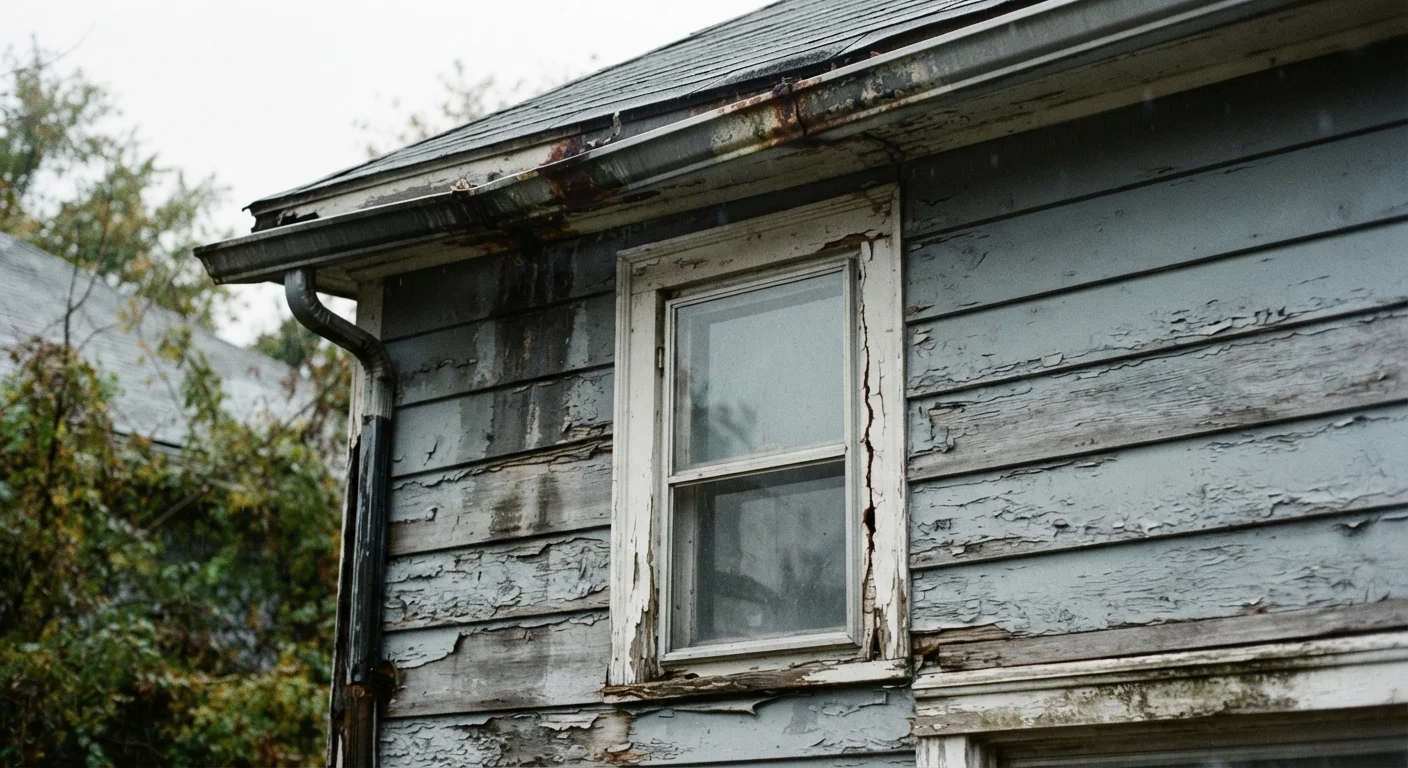
Deferred maintenance refers to the deliberate or passive decision to postpone repairs, inspections, or upkeep tasks that are known to be needed. It's different from simply not knowing something needs fixing. Whether it's a slow-draining sink, a cracked roof shingle, or a furnace filter months past replacement, deferral is a choice — and like most choices, it carries trade-offs.
Understanding those trade-offs clearly is more useful than a blanket warning to fix everything immediately. Some postponements are reasonable. Others are quietly expensive. And a few carry real safety implications. The goal here is to help you tell the difference.
For a broader view of how home systems interact and what to watch for, see our guide to home maintenance systems and priorities.
The Case for Deferring Repairs (Pros)
Homeowners don't delay maintenance because they're careless — they do it because real constraints exist. Here's where deferral can be a reasonable short-term decision:
Frees up cash flow during tight financial periods
When household budgets are stretched, temporarily postponing a non-urgent repair can protect against overdraft or debt. Low-risk cosmetic issues — like a scuffed interior door or minor landscaping — are reasonable candidates.
Allows time to research and vet contractors properly
Rushing to hire the first available contractor can lead to poor workmanship. A short delay to gather multiple quotes and check references can result in better outcomes and fairer pricing.
Avoids unnecessary repairs on systems near end-of-life
If an appliance or component is approaching replacement age, patching it may be wasteful. Waiting a short period to replace rather than repair can be the more cost-effective choice.
Permits bundling of related repairs for efficiency
Grouping repairs — such as addressing multiple plumbing issues in one service call — can reduce labor costs and minimize disruption compared to handling each issue separately.
The key word in each of these scenarios is temporary. Strategic deferral involves knowing when you'll address the issue, not simply hoping it resolves itself.
The Real Costs of Putting Repairs Off (Cons)
The downsides of deferred maintenance are where most homeowners underestimate their situation. Damage rarely pauses while you wait — it compounds.
Minor issues escalate into major structural damage
A small roof leak left unaddressed can lead to rotted decking, damaged insulation, mold growth, and ceiling collapse. What starts as a $300 shingle repair can become a $10,000-plus remediation project.
Water damage spreads silently and quickly
Moisture intrusion from delayed caulking, gutter cleaning, or pipe repairs can saturate wall cavities and subfloors within weeks. By the time visible damage appears, hidden deterioration is often already extensive.
HVAC neglect reduces efficiency and shortens system life
Skipping filter changes and annual servicing forces heating and cooling systems to work harder, increasing energy costs and accelerating wear. A well-maintained system can last 15–20 years; a neglected one may fail in 10.
Deferred electrical repairs create fire and shock hazards
Faulty wiring, worn outlets, and overloaded circuits are among the leading causes of residential fires. These issues do not self-correct and require licensed electrician attention — not postponement.
Property value and insurability can be affected
Visible deferred maintenance is flagged during home inspections and can lower appraisal values or complicate sale negotiations. Some insurers may also decline coverage or add exclusions for homes with documented neglect.
Emergency repairs carry premium pricing
Reactive repairs — done after a system fails rather than before — typically cost significantly more due to urgency pricing, after-hours service rates, and collateral damage that wouldn't exist with timely intervention.
1%–4%
Annual home value recommended for maintenance budget
Many housing and financial planning resources suggest setting aside 1%–4% of a home's value annually for upkeep; consistently deferring maintenance means this cost accumulates rather than disappears.
~10x
Cost multiplier when water damage is left unaddressed
Industry restoration professionals commonly note that water damage costs grow by an order of magnitude when remediation is delayed beyond 24–48 hours, due to mold and structural saturation.
The pattern is consistent across home systems: what costs hundreds of dollars to address today can cost thousands when structural or water damage becomes involved. Our seasonal home maintenance calendar outlines when to check each system before problems develop.
How to Prioritize When You Can't Do Everything
Most homeowners face real budget and time limits. The practical question isn't whether to defer anything — it's which repairs to prioritize and which can reasonably wait.
A simple risk-based framework helps:
- Address immediately: Anything involving water intrusion, electrical hazards, structural issues, or HVAC failure in extreme weather. These escalate fastest and carry safety risk.
- Schedule within 90 days: Issues that are worsening but not yet emergencies — a slow roof leak, deteriorating caulk, an aging water heater showing symptoms.
- Monitor and plan: Cosmetic issues, slow-moving wear, or systems with years of serviceable life remaining.
Tracking what you've noticed and when is more useful than relying on memory. See our guide to commonly misunderstood maintenance tasks for clarity on tasks that are easy to misjudge.
When to Call a Licensed Professional
Electrical, gas, structural, and roofing work often require permits and licensed contractors under local building codes — not just for legal reasons, but for safety. Before deferring any repair in these categories, confirm whether interim risk exists. Unpermitted or DIY work on regulated systems can affect your homeowner's insurance coverage and create liability during a future sale. When in doubt, a consultation call with a licensed professional is inexpensive compared to the alternative.
Building a Habit That Prevents the Backlog
The most effective way to avoid the deferred maintenance trap isn't individual willpower — it's a routine that catches problems while they're still inexpensive. Small, regular check-ins across your home's major systems reduce the likelihood that any single issue silently grows into an emergency.
This applies equally to vehicles: common maintenance oversights that snowball into major repair bills follow the same pattern as home neglect — gradual, predictable, and preventable.
The difference between a home that feels manageable and one that feels overwhelming is usually not the size of the house — it's the consistency of the upkeep.
The content on this site is for informational purposes only and is not a substitute for professional advice. Always consult a qualified professional for guidance specific to your situation.