

Our Verdict
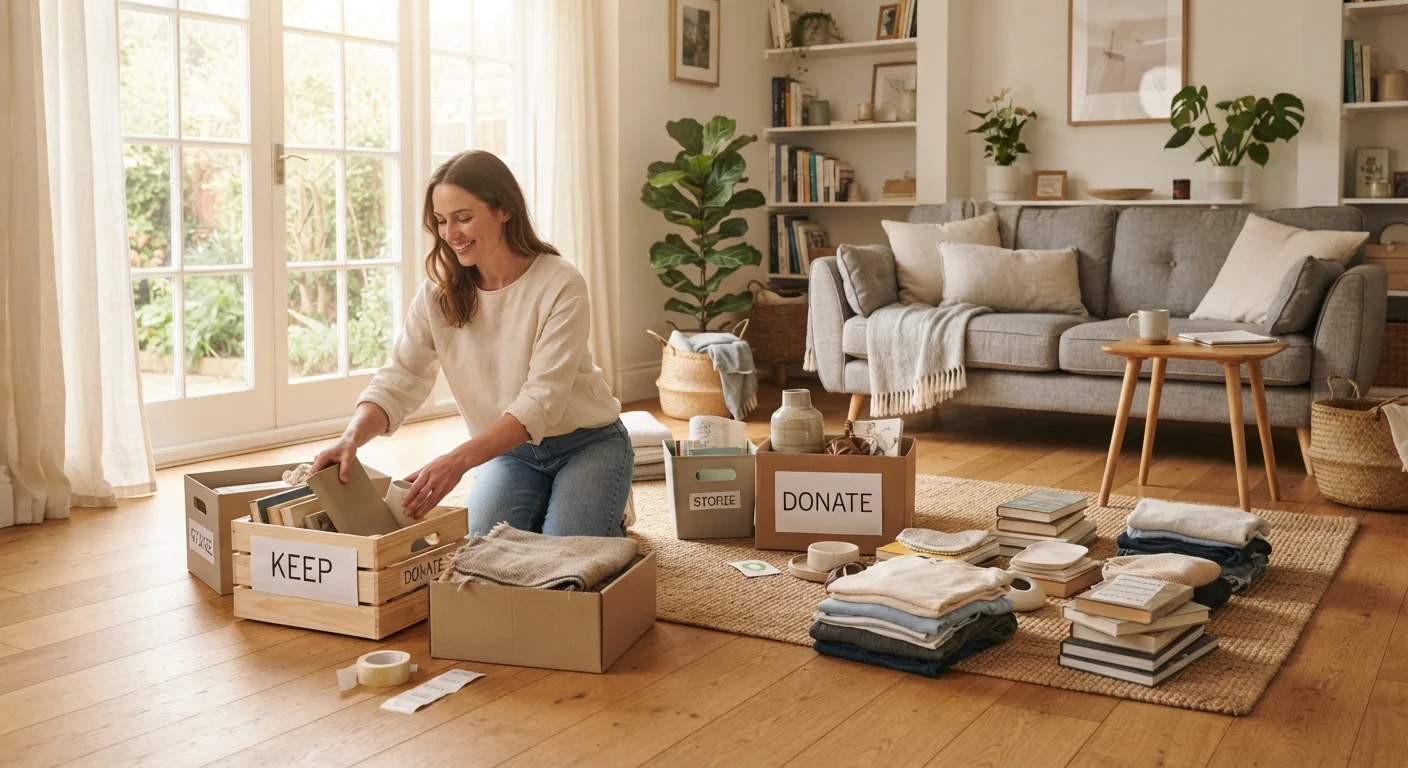
A home decluttering project delivers real, lasting benefits — a calmer space, less time hunting for things, and a lighter mental load — but it requires an honest investment of time and decision-making energy. The rewards are durable when paired with small maintenance habits; without them, clutter gradually returns. Treat it as a meaningful project, not a one-afternoon fix.
Best for homeowners or renters who feel consistently overwhelmed by their surroundings and are ready to commit a few focused hours over several days to reset their space.
What a Decluttering Project Actually Involves
Decluttering sounds simple — get rid of what you don't need. In practice, it's a series of hundreds of small decisions made across many hours, often in spaces that haven't been truly sorted in years. Understanding the full scope before you start helps set realistic expectations and prevents the frustration of an unfinished project.
A meaningful declutter typically moves through three phases: sorting (deciding what stays, goes, or gets stored differently), removal (donating, selling, discarding, or relocating items), and reset (reorganizing what remains so the space actually functions better). Each phase takes time, and removal in particular can involve logistics — scheduling a donation pickup, making a dump run, or listing items online — that extend the timeline well beyond the initial sort.
For a practical framework on tackling individual rooms, our seasonal room-by-room checklist offers a structured approach for clearing and resetting your home twice a year.
The Real Benefits: What You Stand to Gain
Reduces visual noise and daily mental stress
Cluttered environments are associated with elevated stress and difficulty focusing. Clearing surfaces and storage areas can make a home feel noticeably calmer within a single session.
Makes cleaning faster and more efficient
Fewer items on shelves, counters, and floors means less to move, dust, and reorganize. Many people find routine cleaning takes significantly less time after a solid declutter.
Surfaces hidden storage and usable space
Closets, cabinets, and rooms often have more usable capacity than they appear. Removing what you no longer use can reveal functional space you forgot you had.
Donating or selling items benefits others
Clothing, furniture, and household goods in good condition can go to local charities, shelters, or secondhand markets — extending the life of items and supporting the community.
Clarifies what you actually own and value
Handling every item forces a conscious decision about what belongs in your life. Many people report feeling more intentional about future purchases after a thorough declutter.
Beyond the visible tidiness, a successful declutter changes how a home functions. When surfaces are clear and storage is intentional, daily routines run more smoothly. You spend less time searching for things, less energy managing disorder, and less frustration with spaces that feel cramped or chaotic.
There's also a quiet financial logic to knowing what you own. Households frequently repurchase items they already have but can't find. A clear, organized space reduces that kind of invisible spending over time.
The Real Costs: What You're Actually Giving Up
Requires a serious time commitment
A whole-home declutter can take anywhere from a weekend to several weeks depending on the size of your space and how long items have accumulated. Underestimating this is one of the most common reasons projects stall mid-way.
Emotionally draining, especially sentimental items
Deciding what to do with inherited belongings, children's keepsakes, or gifts from loved ones can be genuinely difficult. Decision fatigue sets in quickly, and some people find they need to step away before continuing.
Can carry upfront financial costs
Hauling services, donation drop-off runs, storage bins, and labeling supplies all add up. If you hire a professional organizer, costs can rise significantly — though many find the investment worthwhile.
Clutter often returns without new habits
A one-time clear-out won't hold if the underlying habits that created the clutter don't change. Without a consistent routine, most spaces return to a similar state within months.
Risk of discarding items you'll later need
Overly aggressive purging — especially in the energy of a productive session — can lead to regret. Replacing discarded items costs both money and time.
The emotional dimension of decluttering is frequently underestimated. Physical items carry memory and meaning, and deciding to let go — even of things you haven't touched in years — can feel like a significant loss. This is especially true for inherited belongings or items tied to a life stage that has passed.
It's worth pacing yourself. Pushing through emotional fatigue to make fast decisions often results in either keeping too much (progress stalls) or discarding things you'll regret losing. Building in breaks, and returning to difficult categories on a different day, tends to produce better outcomes.
You Don't Have to Do It All at Once
Tackling an entire home in one go is rarely realistic and often counterproductive. Starting with a single drawer, shelf, or room gives you a visible win and builds momentum. If you're unsure where to begin, see our room-by-room starting guide for a step-by-step approach that doesn't require any special supplies.
Making the Results Last
The most common post-declutter disappointment is watching clutter quietly rebuild over the following months. This isn't a failure of the initial effort — it's a signal that the space needs ongoing maintenance, not just a periodic reset.
Small, consistent habits do more to preserve a decluttered home than occasional large purges. A two-minute end-of-day tidy, a one-in-one-out rule for new purchases, and a regular review of high-traffic surfaces can keep the baseline from creeping upward. Our article on micro-habits that calm a cluttered day explores how small, repeatable actions compound over time into a noticeably calmer household.
If you share your home, maintaining an organized space requires coordination — not just personal discipline. Households with different tidiness standards benefit from agreed-upon systems rather than individual effort alone. For strategies on navigating that, see our guide on organizing shared spaces with different habits.
The content on this site is for informational purposes only and is not a substitute for professional advice. Always consult a qualified professional for guidance specific to your situation.