

Why Budget and Style Aren't at Odds
There's a persistent myth that looking put-together requires a generous clothing allowance. It doesn't. The people who consistently dress well on limited budgets share something more valuable than money: a clear set of guiding principles that shape what they buy, how they wear it, and how long they keep it.
The goal isn't to look expensive. It's to look intentional — and intentionality costs nothing. Whether you're rebuilding a wardrobe from scratch or trying to get more out of what you already own, these principles apply equally. For a deeper look at rediscovering what's already in your closet, see shopping your closet.
Prioritize fit above all other purchase criteria
A well-fitting inexpensive item will consistently look better than an ill-fitting expensive one. Fit signals intentionality and care, which is what most people actually notice. Poor fit is the most common reason clothes go unworn despite being perfectly good pieces.
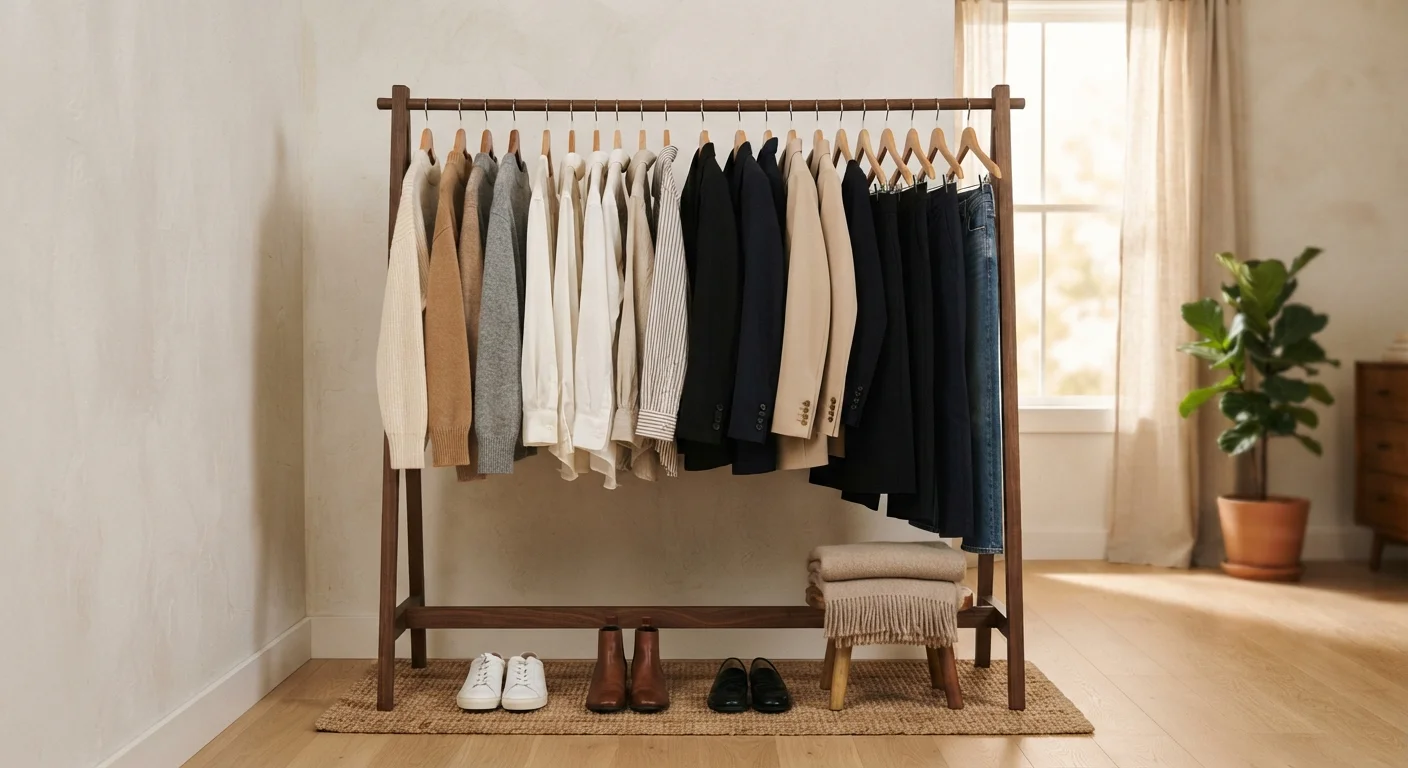
Build around a core of neutral, versatile colors
Neutrals — navy, white, gray, black, tan — mix with nearly everything, multiplying the number of outfits a limited wardrobe can produce. Bold or heavily printed pieces narrow your combinations and often feel dated faster.
Buy for your actual life, not an aspirational one
Clothes bought for occasions that rarely happen — formal events, vacations not yet planned — sit unused and represent wasted spending. Your wardrobe should reflect where you actually spend your time each week.
Treat clothes as assets worth maintaining
Most clothing deteriorates prematurely from incorrect washing, drying on high heat, or neglect. Extending the life of a piece through proper care is the equivalent of getting it at a lower cost per wear — the most meaningful measure of clothing value.
Invest selectively in high-contact basics
Not every item deserves equal spending. Pieces worn most frequently — everyday shoes, a go-to jacket, a core trouser — justify more considered spending because the cost-per-wear math works in their favor. Less-worn items can come from more affordable sources.
The Practices That Actually Hold Up
Budget dressing isn't about sacrifice — it's about focus. The following principles are grounded in how clothes actually function in everyday life, not in idealized wardrobes or trend cycles.
For additional guidance on which wardrobe pieces quietly carry the most weight, the overlooked wardrobe staples article is worth a read. And if you want reliable outfit combinations that remove daily decision fatigue, outfit formulas offer a practical starting point.
Putting It Into Practice
These principles don't require a wardrobe overhaul. Start by auditing what you own against your actual weekly routine — not your ideal life. If you're dressing for a mix of settings, the lifestyle-first dressing approach can help clarify where to focus first.
Fit is the single factor that separates polished from sloppy regardless of price point. Why fit matters more than price or trend — and minor tailoring adjustments, often available affordably at local tailors, can transform an inexpensive piece into something that looks considered and sharp.
Smart budgeting extends across life areas. The same discipline applied to clothing works just as well in other domains — whether that's stretching a grocery budget or understanding broader budgeting frameworks. Treating your clothing spending as a deliberate category — not an afterthought — changes what you buy and how satisfied you are with it long-term.
The content on this site is for informational purposes only and is not a substitute for professional advice. Always consult a qualified professional for guidance specific to your situation.