

Why This Decision Is Trickier Than It Looks
Dropping comprehensive coverage is one of the more tempting ways to trim an auto insurance bill. The logic sounds reasonable: if your car is older or paid off, why pay for extra coverage? But the decision is rarely as straightforward as it seems, and the consequences of getting it wrong tend to be expensive and immediate.
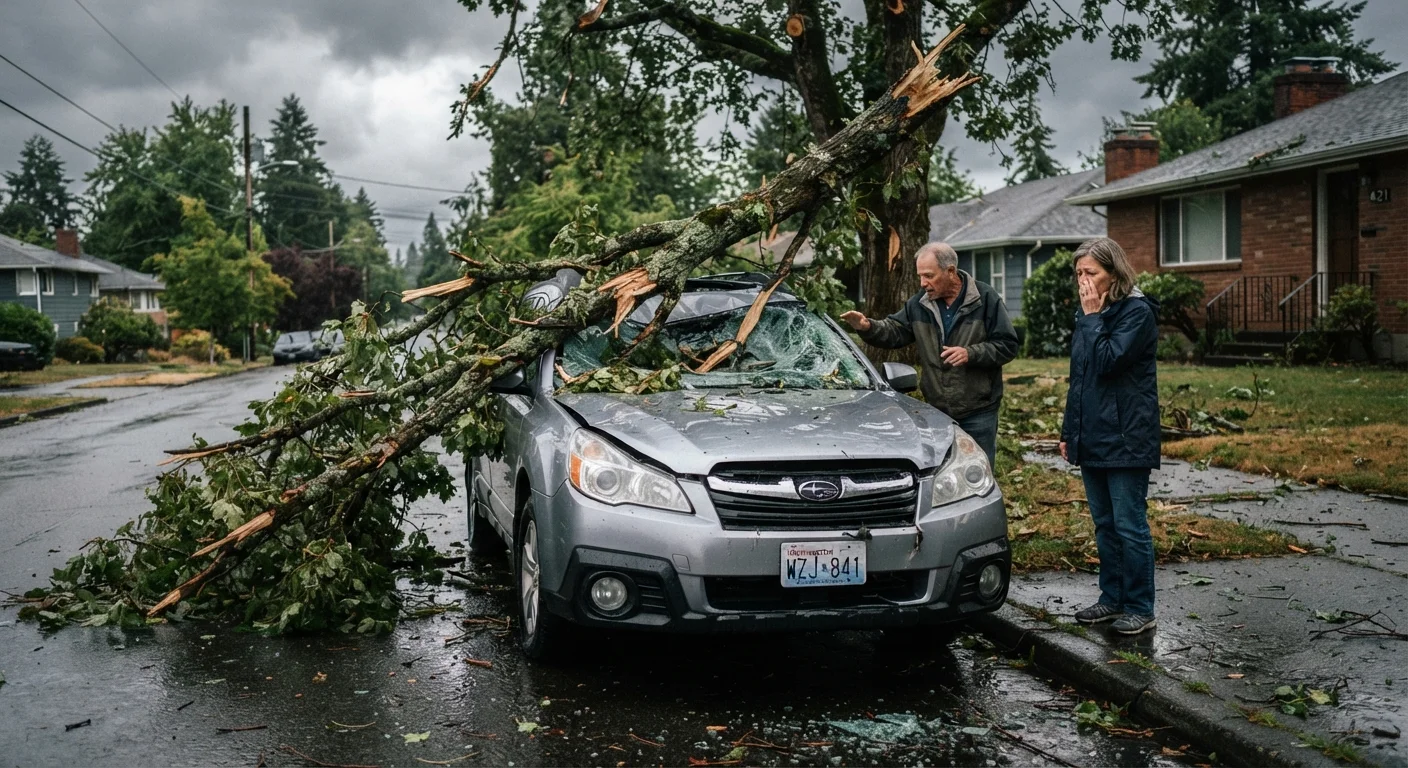
Comprehensive coverage pays for damage to your vehicle that isn't caused by a collision — think theft, vandalism, flooding, hail, falling objects, and animal strikes. For a fuller breakdown of what each coverage type actually does, see Car Insurance Explained: What You're Actually Paying For. Understanding exactly what you'd be walking away from is the starting point for any honest evaluation.
The mistakes below cover the situations where skipping comprehensive most commonly catches drivers off guard — and how to think through each one more carefully.
Common Mistakes Drivers Make When Dropping Comprehensive
These aren't edge cases. Each of the following errors reflects a real pattern in how drivers evaluate their coverage — often under financial pressure and without all the relevant information.
Dropping comprehensive coverage on a financed or leased vehicle.
Why it happens: Drivers focus on reducing monthly expenses and overlook the contractual obligations tied to their loan or lease agreement.
Assuming a car's age alone makes comprehensive coverage unnecessary.
Why it happens: There's a widespread rule of thumb that older cars don't need full coverage, but age doesn't determine risk — value, replacement cost, and your savings cushion do.
Ignoring local environmental and theft risk when canceling coverage.
Why it happens: Drivers often evaluate insurance based on personal driving habits rather than the environment where the car sits parked most of the time.
Forgetting that comprehensive covers animal strikes — a surprisingly common claim.
Why it happens: Most drivers associate comprehensive with extreme events like floods or theft, not everyday hazards like deer collisions, which are far more frequent.
Canceling coverage right before a seasonal high-risk period.
Why it happens: The decision to save on premiums often comes without thinking about timing — hail season, hurricane season, or the fall months when deer movement peaks.
Lenders Often Require Comprehensive Coverage
If you're still making payments on your vehicle or leasing it, dropping comprehensive coverage isn't just a personal financial decision — it's likely a breach of your financing or lease agreement. Lenders require this protection because the car is collateral for the loan. Violating that requirement can lead to force-placed insurance, which is typically more expensive and offers less protection for you as the driver.
If you're weighing this decision as part of a broader look at what you're spending on your vehicle, it's worth reviewing annual car ownership costs that drivers routinely underestimate — insurance is just one line item, and the interactions between costs matter.
How to Make the Call Without Regret
~1.5M
Annual deer-vehicle collisions in the U.S.
The Insurance Information Institute estimates roughly 1.5 million deer-related vehicle accidents occur each year in the United States, the majority of which fall under comprehensive claims.
~$1,800
Average comprehensive claim payout
According to the Insurance Information Institute, the average comprehensive insurance claim is around $1,800 — a cost many drivers couldn't absorb without financial strain.
The most reliable way to evaluate comprehensive coverage is to treat it as a specific financial question rather than a general one. What is this vehicle worth today? What would it cost to replace or repair it after a covered event? What does comprehensive actually cost annually, after accounting for the deductible?
If the annual premium plus deductible approaches or exceeds the car's market value, that's a legitimate signal to reconsider. But if dropping it leaves you exposed to a loss you couldn't comfortably absorb — or violates a lender's requirements — the savings aren't real savings at all.
For a structured way to compare liability-only versus full coverage scenarios, Liability vs. Full Coverage: Which One Do You Actually Need? walks through the key decision factors. And if your overall vehicle costs feel out of control, maintenance habits that lead to expensive repairs is another place to look before assuming insurance is the right line to cut.
This article is for general informational purposes only and does not constitute insurance or financial advice. Coverage needs vary by individual situation — consult a licensed insurance professional for guidance specific to your circumstances.
The content on this site is for informational purposes only and is not a substitute for professional advice. Always consult a qualified professional for guidance specific to your situation.