

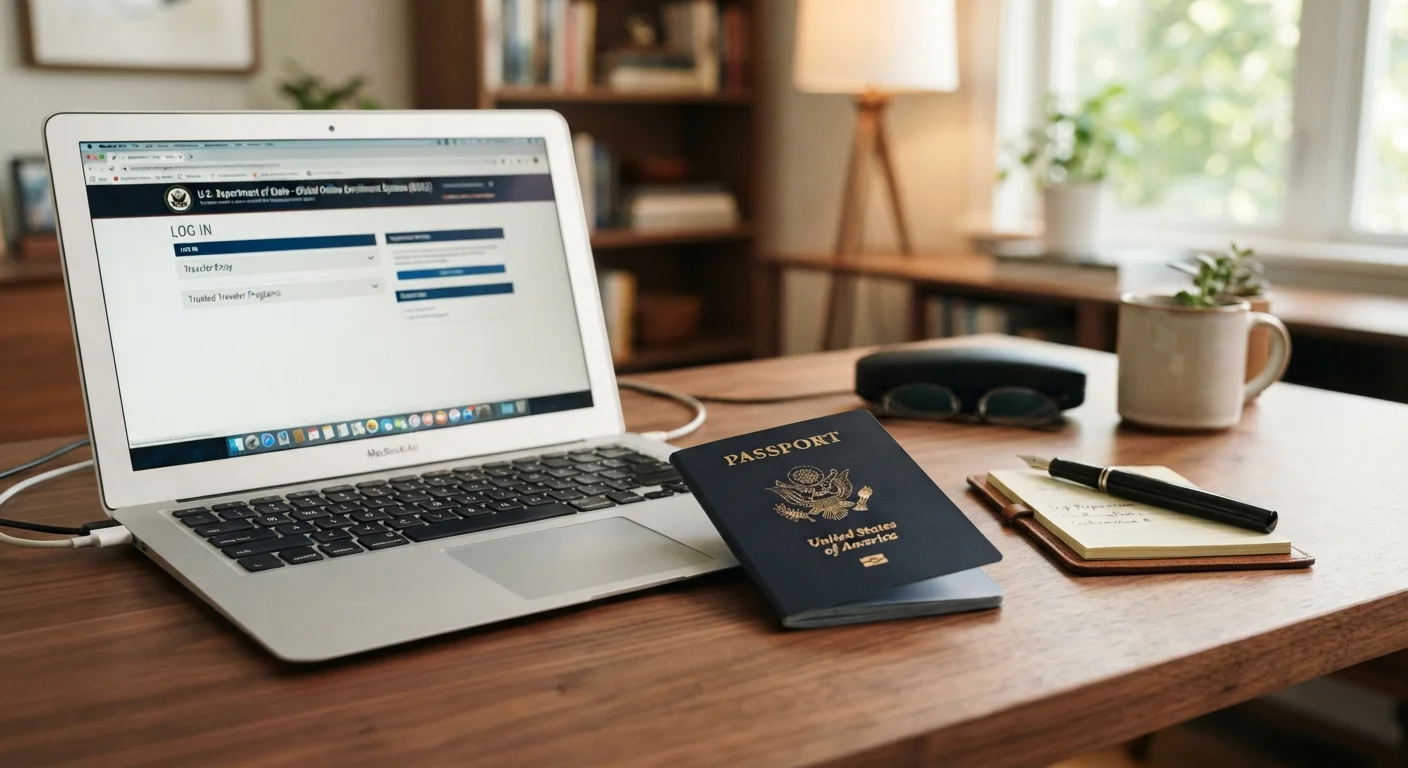
What STEP Actually Does — and Doesn't Do
A lot of travelers hear about STEP and assume it's either more powerful or more complicated than it really is. Here's the straightforward version: STEP is a contact registry. When you enroll, you're telling the nearest U.S. Embassy or Consulate, "I'm here, and here's how to reach me."
In return, the embassy can send you location-specific safety alerts — things like civil unrest, severe weather warnings, sudden entry requirement changes, or disease outbreaks. If a major crisis hits your destination, officials know you're there and can reach you directly rather than relying on you to find the news yourself.
What STEP doesn't do is equally important to understand. It cannot pay for emergency evacuation, legal fees, or hospital bills. It won't resolve visa problems or shield you from local laws. It isn't a tracking app, and it doesn't give the U.S. government ongoing access to your location. Think of it as a one-time check-in with a lifeline attached.
STEP Is Not a Rescue Service
Enrollment gives the embassy a way to communicate with you and assist in locating you — it does not guarantee evacuation, legal representation, or financial assistance. For situations that may require those resources, travel insurance and a clear emergency plan are essential complements to STEP registration.
When STEP Enrollment Actually Matters
Plenty of trips go smoothly without any embassy involvement. So why bother enrolling? Because emergencies are, by definition, things you don't plan for.
Consider a few realistic scenarios:
- Natural disaster: An earthquake or hurricane disrupts a region you're visiting. The embassy sends enrolled travelers real-time guidance on evacuation routes and shelter options.
- Political instability: Sudden civil unrest breaks out after an election. STEP alerts let you know before it reaches your neighborhood and before it makes the news at home.
- Family emergency: A relative in the U.S. is trying to reach you urgently but can't get through. The embassy can help relay that message if you're enrolled.
- Lost or stolen passport: The embassy already has your contact information on file, which can speed up the replacement process.
None of these situations are everyday travel — but they happen to everyday travelers. Enrollment is a five-minute action that costs nothing and removes one layer of friction if things go sideways.
273+
U.S. Embassies and Consulates worldwide
The U.S. maintains diplomatic posts in more than 160 countries, giving STEP enrollees a point of contact across most global destinations, according to the U.S. Department of State.
~90M
U.S. citizens traveling abroad annually
The U.S. Department of State estimates tens of millions of Americans travel internationally each year, the majority without enrolling in STEP.
How to Enroll — The Actual Process
Enrollment is handled entirely through travel.state.gov. You'll create a free account, then add a trip by entering your destination country, travel dates, and accommodation details. You'll also list an emergency contact back home — typically a family member or close friend who should be notified in a serious situation.
For Americans living abroad rather than just visiting, STEP lets you register as a long-term resident. This keeps you receiving relevant alerts for your country of residence on an ongoing basis rather than trip-by-trip.
Once enrolled, you can update your itinerary, add new destinations, or cancel the registration at any time. If you're the kind of traveler who plans far ahead, it's worth bookmarking the STEP dashboard as a standard part of your pre-trip checklist — right alongside checking your passport expiration date and reviewing entry requirements. Speaking of planning gaps, these are the most common oversights that complicate international trips and how to get ahead of them.
Make STEP Part of Your Pre-Trip Routine
Add STEP enrollment to your packing checklist alongside passport and visa checks. If you're traveling to multiple countries on one trip, you can register each destination separately so alerts remain accurate. It takes about five minutes total and is one of the few travel prep steps that's genuinely free.
How STEP Fits Into Your Broader Travel Prep
STEP is one piece of a larger preparedness puzzle. It works best when paired with other fundamentals: a passport valid for at least six months beyond your return date, verified entry requirements for your destination (visas, vaccinations, any specific documentation), and travel insurance that covers medical emergencies and evacuation.
If you frequently travel internationally, you may also be weighing programs like Global Entry or TSA PreCheck. Those serve a very different purpose — speeding up customs re-entry and security screening rather than providing embassy support abroad. Here's a clear breakdown of what each program actually covers so you can decide which combination makes sense for your travel style.
STEP won't make every trip worry-free — no single tool can do that. But it closes a specific gap that many travelers don't think about until they need it. And unlike most travel upgrades, this one is completely free.
Travel conditions, entry requirements, and embassy services can change. Always verify current information through official U.S. government sources, including travel.state.gov and the State Department's country-specific travel advisories, before your trip.
Frequently Asked Questions
No, STEP is entirely voluntary. However, the U.S. Department of State strongly encourages all Americans traveling internationally to enroll. It's free and significantly improves the embassy's ability to reach you in an emergency.
You'll need basic personal details, your destination country, travel dates, and emergency contact information. The process takes around five minutes at travel.state.gov.
No. Your registration information is protected under U.S. privacy law and is used solely to contact you or your emergency contacts. It is not shared with foreign governments or commercial entities.
STEP won't get you out of legal trouble or override foreign law. However, the State Department can be notified of your detention and can visit you, provide a list of local attorneys, and contact your family — enrollment helps them locate you faster.
Absolutely. STEP is designed for both short-term travelers and American citizens living abroad as expatriates. Long-term registrants receive ongoing alerts relevant to their country of residence.
No. STEP is a communication and notification tool, not a financial safety net. Travel insurance covers costs like medical evacuation, trip cancellation, and lost luggage — STEP doesn't. Both serve distinct, complementary purposes.
The content on this site is for informational purposes only and is not a substitute for professional advice. Always consult a qualified professional for guidance specific to your situation.