

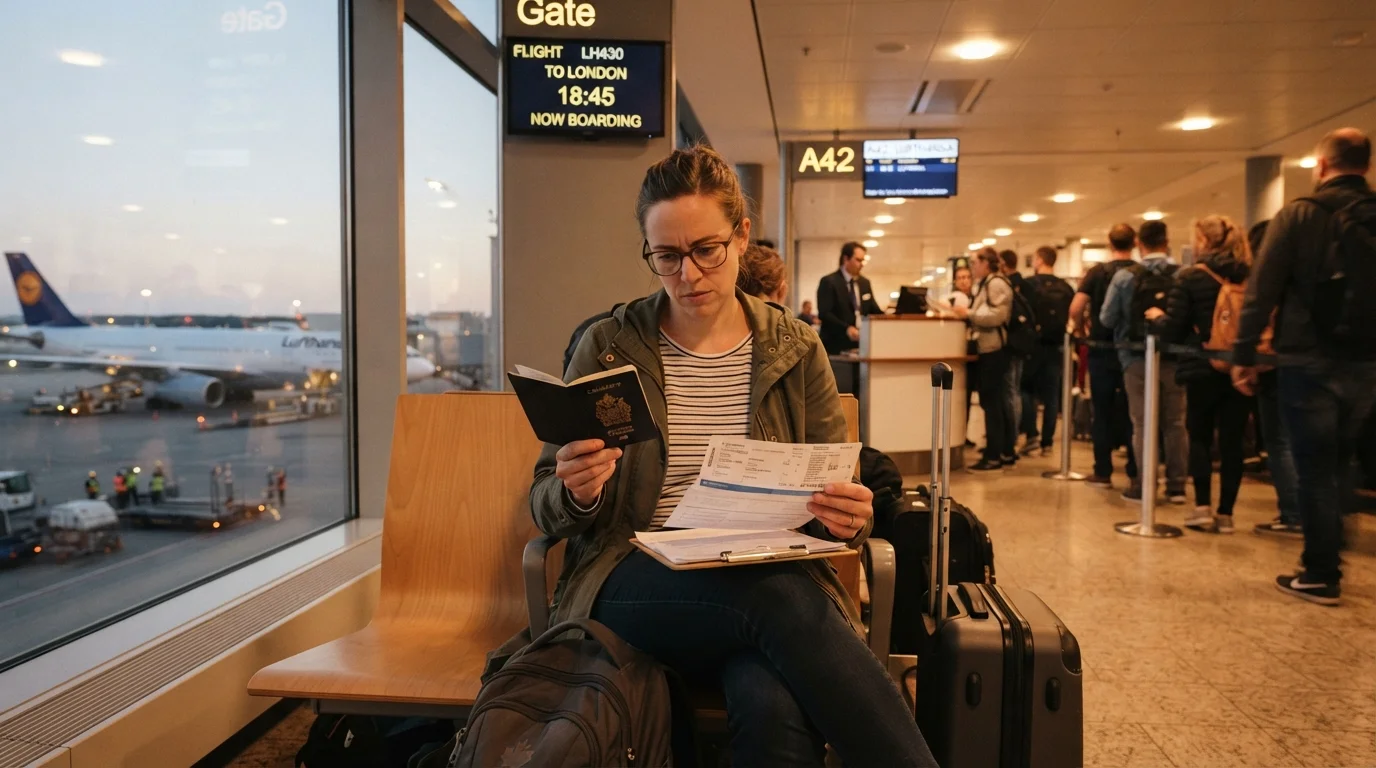
Why International Trip Planning Goes Sideways
International travel is genuinely exciting — and genuinely more complex than a domestic getaway. The gap between a smooth trip and a stressful one usually isn't bad luck. It's a handful of planning decisions that seemed minor at the time but compounded into real friction at the airport, the border, or the hotel check-in desk.
Whether you're heading abroad for the first time or returning after a gap, the mistakes below are the ones travelers encounter most often — and they're almost entirely preventable. Our first international trip checklist covers the full pre-departure picture, but here we zero in on the specific decisions that tend to cause the most trouble.
Assuming your passport is valid long enough for your destination's entry requirements.
Why it happens: Many travelers check that their passport hasn't expired without realizing that dozens of countries require six months of validity beyond the travel dates — not just a current expiration date.
Skipping visa research because a previous destination didn't require one.
Why it happens: Americans are visa-exempt for many popular destinations, which can create a false sense that visas are rarely needed. Entry rules vary significantly by country and can change.
Packing for every possible scenario instead of for the actual trip.
Why it happens: Uncertainty about a new destination triggers over-preparation, and without a structured packing approach, 'just in case' items fill the bag quickly.
Cramming too many cities or experiences into too few days.
Why it happens: First-time international travelers often feel pressure to maximize every hour abroad, not knowing when they'll return. The result is a schedule that leaves no room for transit delays, rest, or spontaneous detours.
Not telling your bank or credit card issuer about international travel plans.
Why it happens: It's an easy step to forget during the excitement of booking, and many travelers don't realize their card may be frozen for suspicious activity the moment it's used in a foreign country.
Treating travel insurance as optional without understanding what's at risk.
Why it happens: Travel insurance feels abstract until something goes wrong. Many travelers assume their health insurance covers them abroad or that cancellations are unlikely enough to skip the coverage.
The Financial Oversights That Quietly Drain a Trip
Money management abroad is one area where small preparation gaps become big inconveniences fast. Many travelers assume their usual debit or credit card will work seamlessly overseas — and sometimes it does. But foreign transaction fees, ATM withdrawal limits, and cards flagged for unusual activity can all interrupt access to funds at the worst moments.
29%
Travelers who experienced card issues abroad
A survey by the U.S. Travel Association found that roughly three in ten international travelers encountered payment card problems during at least one trip.
$25–$35
Typical foreign ATM withdrawal cost
Between out-of-network ATM fees and foreign transaction charges, each international ATM withdrawal can cost travelers significantly more than they expect.
Before departure, notify your bank of travel dates and destinations, understand your card's international fee structure, and research whether your destination is predominantly cash-based or card-friendly. Our guide to currency exchange abroad breaks down the trade-offs between airport kiosks, local ATMs, and bank exchanges — worth reading before you convert a dollar. Also consider that travel insurance isn't just for medical emergencies; trip interruption and cancellation coverage can protect against financial loss in ways many travelers don't realize until it's too late. See what travel insurance typically covers for a plain-language breakdown.
Airport Currency Kiosks: Convenient, But Costly
Currency exchange booths inside international airports and arrival halls often apply rates that are significantly less favorable than local ATMs or banks. If you need local cash immediately upon arrival, withdraw a modest amount and plan to exchange more under better terms once you're settled. Always verify the rate and any fees before confirming a transaction.
For a fuller picture of pre-trip financial prep, the pre-trip financial checklist for budget travelers walks through every step worth taking before you leave home.
Pacing, Packing, and the Logistics That Sneak Up on You
Beyond documents and money, two practical areas trip up even experienced travelers: how much they pack and how much they try to do. Overpacking adds cost (checked bag fees), physical strain, and decision fatigue. Overscheduling creates a trip where you're always rushing and rarely present. Both are rooted in the same impulse — wanting to cover everything — and both are fixable with a different planning mindset.
If you're working with limited vacation days, planning around a tight vacation window offers practical frameworks for destination selection and pacing. On the packing side, packing light for international travel has strategies that work for most trip types without leaving you underprepared.
One often-overlooked logistics step: enrolling in the U.S. State Department's Smart Traveler Enrollment Program (STEP) before departure. It's free, takes about five minutes, and ensures the nearest U.S. Embassy can reach you in an emergency. What STEP actually does is worth understanding before you dismiss it as bureaucratic busywork.
Verify Entry Requirements Directly With Official Sources
Travel blogs and booking sites sometimes carry outdated visa and entry information. Before every international trip, confirm requirements using the U.S. State Department's official country pages (travel.state.gov) and the destination country's own embassy or government immigration website. Entry rules — including health documentation, proof-of-onward-travel policies, and validity requirements — can change with little notice, and the consequences of arriving unprepared can include denial of boarding or entry.
The content on this site is for informational purposes only and is not a substitute for professional advice. Always consult a qualified professional for guidance specific to your situation.