

Why the Sticker Price Is Just the Start
When most people think about buying a car, the conversation centers on the purchase price or monthly payment. But those numbers capture only a fraction of what vehicle ownership actually costs over time. Fuel, insurance, maintenance, registration, financing interest, and depreciation all stack on top of that sticker price — and collectively, they often exceed it within a few years.
Understanding the full cost of ownership isn't about discouraging vehicle purchases. It's about making informed decisions so that the car you choose genuinely fits your financial life, not just your loan approval. This guide breaks down every major cost category clearly, so you know exactly what you're committing to. For a complementary look at costs that commonly go unplanned, see annual car ownership costs that drivers routinely underestimate.
$12,182
Average annual cost to own and operate a new vehicle
According to AAA's annual Your Driving Costs study, the average American driver spends over $12,000 per year when all ownership costs are factored in.
~20%
Value a new car can lose in year one
Industry data consistently shows new vehicles can depreciate by roughly 15–20% within the first twelve months of ownership.
$1,500+
Average annual car insurance premium
National average auto insurance costs vary widely by state, driver profile, and vehicle, but commonly exceed $1,500 per year for full coverage.
Depreciation: The Biggest Cost Nobody Talks About
Depreciation — the loss of a vehicle's market value over time — is typically the single largest cost of car ownership, yet it's rarely mentioned in dealership conversations. A new vehicle can lose roughly 15–20% of its value in the first year alone, and around 50% over five years, though this varies by make, model, and market conditions.
This matters most when you plan to sell or trade in the vehicle. The gap between what you paid and what you can recover is a real financial loss, even if it feels invisible day-to-day. Certain vehicle types and brands hold value better than others, and mileage, condition, and market demand all play roles.
For a deeper explanation of how this process works, how depreciation works and why it matters the moment you drive away covers the mechanics in plain terms.
Insurance, Registration, and Taxes
Auto insurance is a non-negotiable ongoing cost in every U.S. state. Premiums depend on your driving record, location, age, the vehicle's value and safety ratings, and the level of coverage you carry. Full coverage — which most lenders require while a loan is active — costs considerably more than minimum liability coverage.
Registration fees are charged annually by your state and often tied to the vehicle's age or value. Some states also levy a personal property tax on vehicles each year. These amounts can range from modest to several hundred dollars annually depending on where you live.
Before buying any vehicle, calculate the total five-year ownership cost — not just the monthly payment — using a reliable cost-of-ownership estimator.
Monthly payments are designed to feel manageable, but they obscure the cumulative impact of interest, insurance, and depreciation over time.
When comparing two vehicles, check their insurance rate differences before you commit — a sportier or higher-value vehicle can easily cost $600–$1,000 more per year to insure.
Insurance is one of the most underestimated ownership variables, and it's affected by the vehicle's make, model, safety record, and repair cost profile.
If you're a first-time owner navigating these requirements for the first time, car ownership for first-timers walks through the paperwork and obligations involved.
Fuel, Maintenance, and Tires
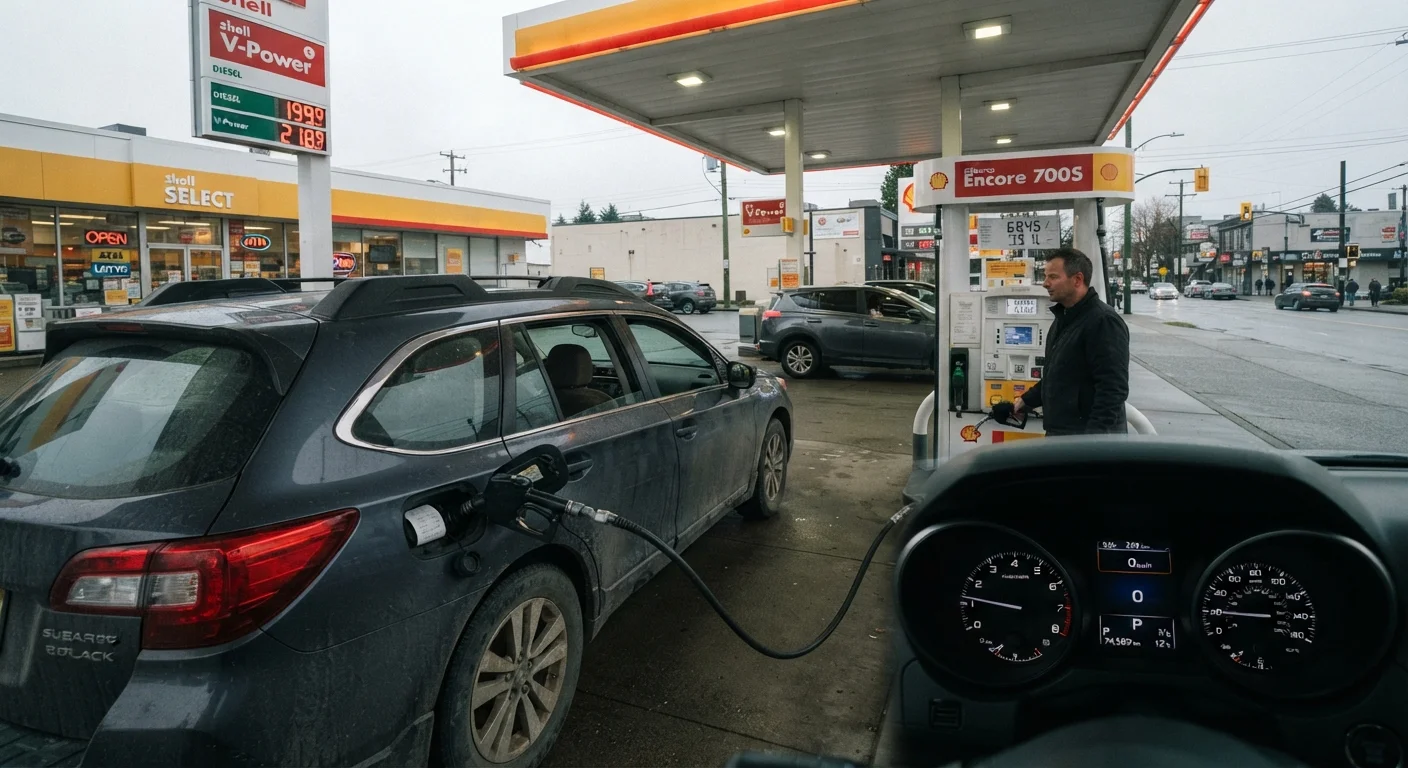
Fuel costs depend on how much you drive, your vehicle's fuel efficiency, and local gas prices — all of which fluctuate. A driver covering 15,000 miles per year in a vehicle averaging 25 mpg will spend substantially more annually on fuel than someone driving a more efficient car half as many miles.
Routine maintenance — oil changes, filters, fluid checks, brake inspections — is predictable if you follow the manufacturer's recommended schedule. Skipping or delaying these services rarely saves money in the long run. Maintenance habits that lead to expensive repairs down the road illustrates how small oversights compound into large bills. It's also worth reading about car maintenance myths that cost drivers real money to avoid overpaying for services you don't need.
Tires are another significant recurring cost. A set of four tires for a typical passenger vehicle can range from several hundred to over a thousand dollars depending on size and type. Plan to replace them every 40,000–70,000 miles under normal driving conditions.
Build a Monthly Car Budget Before You Buy
Add up estimated insurance, fuel, maintenance reserves, and registration fees alongside any loan payment before committing to a vehicle. A car that fits your loan budget may not fit your real-world budget. Aim to keep total car costs under 15–20% of your monthly take-home pay as a general guideline.
Financing Costs and Opportunity Cost
Most vehicle purchases are financed, which means interest is part of the real cost. On a $30,000 loan over 60 months, even a moderate interest rate adds thousands of dollars to the total amount repaid. Longer loan terms reduce the monthly payment but increase total interest paid.
Financing Adds Real Money to Your Total Cost
A 60-month loan at a mid-range interest rate can add several thousand dollars in interest to a vehicle's total cost. That interest is money paid for the privilege of spreading payments over time — it does not build equity or offset depreciation. Always factor the total loan payoff amount, not just the monthly figure, into your ownership math.
For those weighing whether to buy outright or lease, the financial tradeoffs differ considerably. Leasing vs. buying a car offers a balanced look at both paths without steering toward either option.
Hidden and Irregular Costs
Some ownership costs don't appear monthly but arrive unpredictably. Parking fees, tolls, car washes, and emissions or safety inspections (required in many states) all add up over the course of a year. A dead battery, a cracked windshield, or a set of wiper blades might seem minor individually — but together they represent meaningful annual spending.
Don't Forget Irregular But Inevitable Costs
Tires, brakes, batteries, and registration renewals don't happen every month — but they will happen. Drivers who don't set aside money for these periodic expenses often find themselves unprepared when a $700 tire replacement arrives unexpectedly. Treat these as planned expenses, not emergencies.
Ownership Costs Vary Widely by Vehicle Type
Trucks and SUVs typically cost more to fuel and insure than compact sedans or hybrids. Electric vehicles can reduce fuel and some maintenance costs but may have higher insurance premiums and potentially expensive battery-related repairs outside warranty. There's no single number that fits every driver — calculate based on the specific vehicle you're considering.
Understanding these irregular costs upfront is especially important for used-car buyers. What to do in the first 30 days after buying a used car covers the early checks that can surface potential issues before they become expensive surprises.
How to Budget for the Full Picture
A practical approach: list every cost category — loan payment, insurance, fuel, routine maintenance, tires, registration, and an emergency repair reserve — and assign a monthly dollar estimate to each. Add them up. That total is your real monthly cost of ownership, and it should fit comfortably within your broader financial plan.
The goal isn't to discourage car ownership — it's to make sure the vehicle you choose is one you can genuinely afford to keep on the road without financial stress. Armed with a clear picture of all the numbers, you're in a far better position to choose wisely and drive confidently.
This article is for general informational and educational purposes only. Costs and figures cited reflect general industry estimates and may not apply to every driver, vehicle, or region. Consult a qualified financial professional for advice tailored to your personal situation.
The content on this site is for informational purposes only and is not a substitute for professional advice. Always consult a qualified professional for guidance specific to your situation.