

Summary
22 items · 30–60 minutes
Why This Checklist Matters Before You Hit the Road
A long drive has a way of turning small, ignored car problems into full-blown roadside emergencies. The oil that was almost low, the tire that was a little soft, the wiper blade that smeared more than it cleared — these are the details that bite you somewhere between mile 200 and nowhere in particular.
This checklist is designed for everyday drivers heading out on a multi-hour or multi-day American road trip. You don't need a mechanic's certification to work through it, but if anything you find looks worn, leaking, or just plain off, get a qualified mechanic to take a look before you leave. For a broader view of keeping your car in shape all year long, see our seasonal car maintenance checklist.
Plan to run through these checks one to three days before departure — not the morning you're loading bags into the trunk. That buffer gives you time to schedule a quick shop visit if something needs attention.
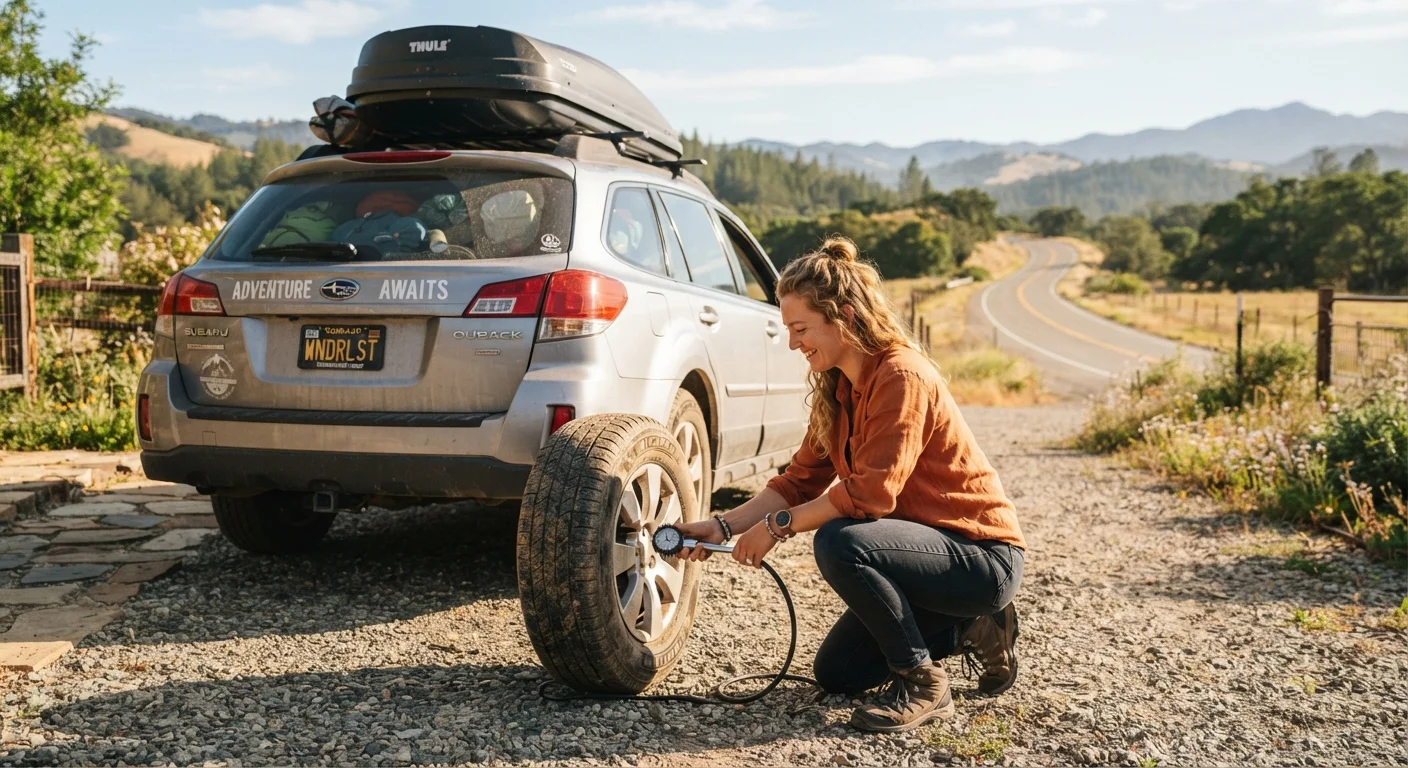
Tire Pressure Gauge
Accurately measures PSI in each tire so you can inflate to the manufacturer's recommended level.
Penny (for tread depth test)
A quick, no-cost way to assess whether tread depth is still safe for highway driving.
Owner's Manual
Your vehicle's reference for fluid capacities, warning light meanings, and recommended service intervals.
Flashlight or Headlamp
Helps you inspect undercarriage areas, engine bays, and tire sidewalls in low light.
Microfiber Cloth
Useful for cleaning camera lenses, mirrors, and exterior lights before departure.
The Full Pre-Trip Inspection Checklist
Work through each group in order. Under-hood checks are easiest when the engine is cold, so start there before anything else.
Under the Hood
Tires and Wheels
Brakes and Steering
Lights and Visibility
Interior and Electronics
Emergency Kit and Documents
Leave Repairs to Qualified Mechanics
This checklist is designed for visual inspection and basic fluid checks — not DIY repairs. Brakes, suspension, and electrical systems in particular involve real safety risks if serviced incorrectly. If any inspection item reveals a potential problem, have a licensed mechanic evaluate it before your trip. Never drive a vehicle you genuinely suspect is unsafe.
If you're heading out solo, the stakes of a breakdown feel even higher. Our guide on solo road tripping across America covers additional safety habits worth pairing with this checklist.
What to Do If You Find a Problem
Discovery is the whole point of a pre-trip inspection. If you find low fluid, a questionable tire, or a warning light you can't explain, resist the urge to shrug and drive anyway. Most independent repair shops can fit in a quick inspection on short notice, especially for straightforward issues like an oil top-off, a brake pad check, or a tire rotation.
Don't Ignore Dashboard Warning Lights
A check engine light, low oil pressure warning, or tire pressure indicator active at departure is not a minor inconvenience — it's a signal that something needs attention now. Driving hundreds of miles with an unresolved warning can turn a manageable fix into a costly breakdown. When in doubt, have a qualified mechanic read the error code before you leave.
For drivers new to multi-day drives, pairing this vehicle check with your overall trip prep makes departure day far less stressful. Our guide to planning your first long-distance road trip walks through route selection, packing, and navigation fundamentals. And don't forget the financial side — the pre-trip financial checklist covers trip notifications, emergency funds, and insurance steps most travelers overlook.
A little time in the driveway now translates directly into confidence on the open road. Check the boxes, trust the process, and go enjoy the drive.
The content on this site is for informational purposes only and is not a substitute for professional advice. Always consult a qualified professional for guidance specific to your situation.