

Why Most Maintenance Routines Fall Apart
The typical driver doesn't skip oil changes out of laziness — they skip them because nothing reminds them, the interval feels abstract, and life gets busy. A routine that depends entirely on memory is a routine that will eventually fail. The fix isn't more willpower; it's a better system.
Understanding what causes neglect is the first step toward building habits that hold. Most maintenance lapses happen because tasks feel urgent only after something goes wrong. As explored in our article on habits that lead to expensive repairs, small oversights compound quickly — and the repairs they produce cost far more than the upkeep they replaced.
The goal isn't perfection. It's a simple, repeatable system that keeps your vehicle in reasonable shape without demanding expertise or constant attention.
Practical Habits That Keep Vehicles Running Reliably
Consistency beats intensity in car care. A driver who does a quick walkround check once a month will catch more problems than one who plans a thorough inspection twice a year and forgets. The practices below are designed to be low-effort, high-impact, and easy to sustain over time.
For drivers who are newer to ownership, our first-time car owner's maintenance guide covers the foundational tasks and realistic timelines in more depth.
Anchoring Your Routine to Real Life
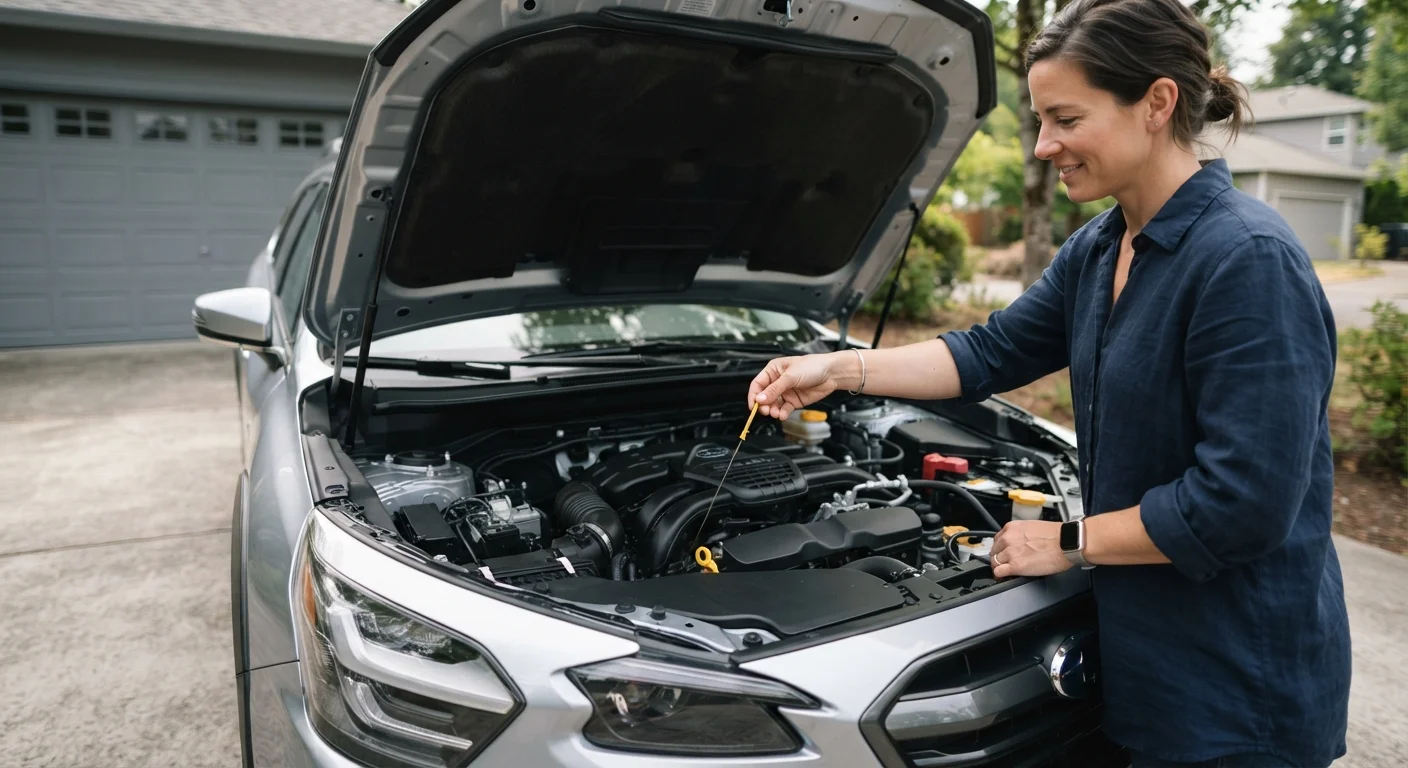
The most effective maintenance habits are ones tethered to things you already do. Checking tire pressure on the first of every month takes about three minutes and can be done alongside pumping gas. A quick fluid level check every time you wash the car adds almost no time but catches drops in coolant, brake fluid, or oil before they become emergencies.
Seasonal transitions are natural checkpoints too. Our seasonal car maintenance checklist breaks down exactly what to inspect as weather changes — and it's worth keeping a printed copy in your glove box for reference.
When a task falls outside your comfort level, knowing when to bring in a professional matters just as much as knowing what to check yourself. Our guide on DIY vs. shop repairs can help you draw that line confidently. For anything involving the cooling system specifically, cooling system maintenance is worth reading before warm-weather driving season.
Finally, document what you do. A simple maintenance log — even a notes app on your phone — protects your investment and simplifies any future warranty or resale conversations. The small effort pays off in ways that aren't always obvious until you need the records.
The content on this site is for informational purposes only and is not a substitute for professional advice. Always consult a qualified professional for guidance specific to your situation.